If you hold XRP long term, choosing the best XRP cold wallets is one of the most important security decisions you will make. In this guide, you’ll see exactly which hardware and air‑gapped wallets are worth using, how they work, and how to move your XRP off exchanges into safe cold storage.
What is an XRP cold wallet?
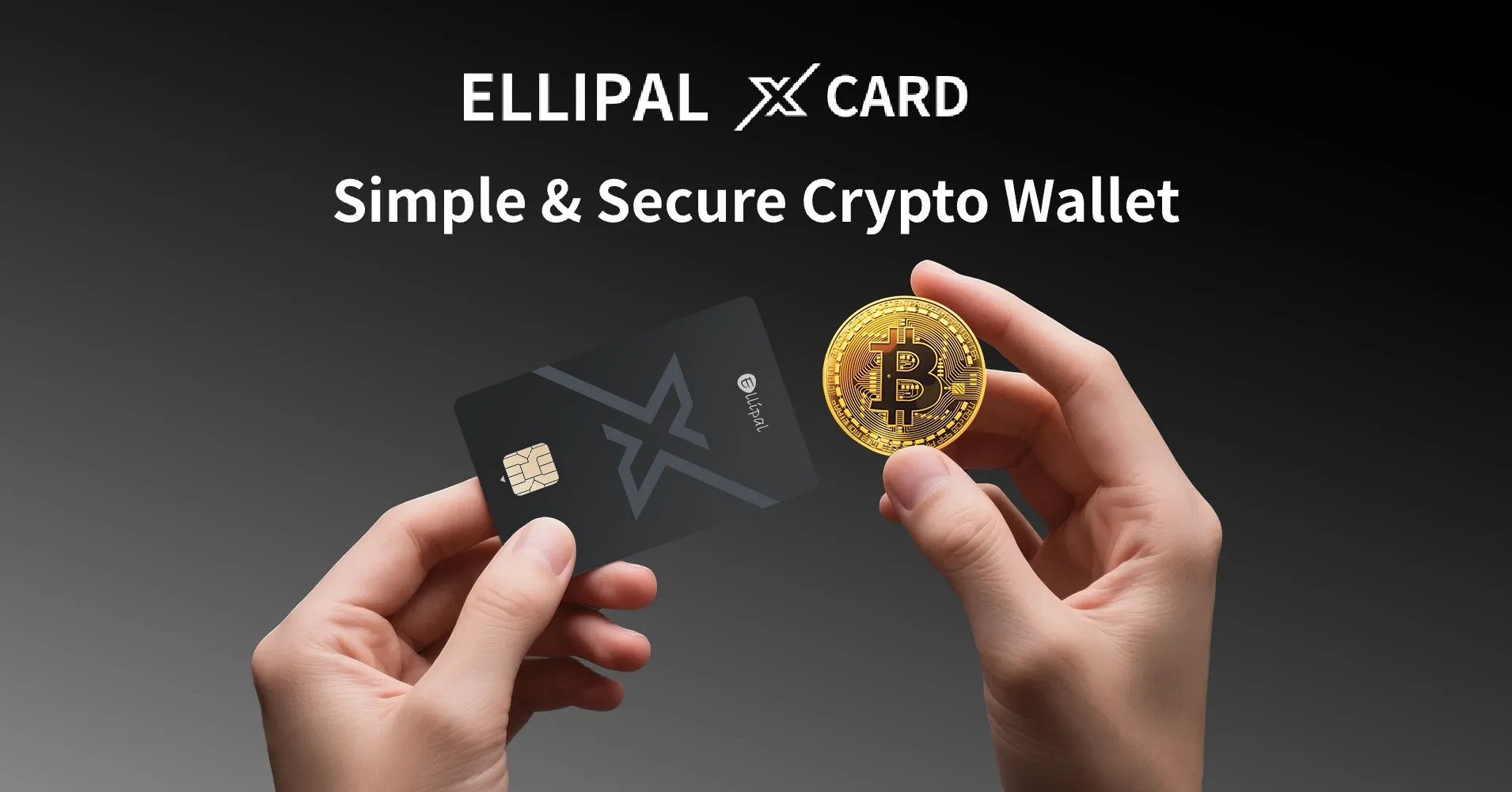
An XRP cold wallet (or cold Ripple wallet) is a wallet that keeps your private keys offline, away from internet‑connected devices. That includes hardware wallets like the Ledger hardware wallet, air‑gapped devices like the Ellipal Titan 2.0, card‑style wallets such as Tangem, and some fully air‑gapped setups that never expose keys to a live network.
Cold wallets are different from:
- Hot wallets – mobile or browser apps (Xaman/XUMM, Trust Wallet, exchanges) connected to the internet and better for daily trading.
- Exchange balances – when your XRP sits on Binance, Bybit, or another CEX, the exchange controls the keys, not you.
For long‑term XRP storage, the best XRP cold wallets dramatically reduce the risk of hacks, malware, and exchange failures, while you still keep a smaller amount in hot wallets or exchanges for trading bots and short‑term moves.
Quick overview: best XRP cold wallets in 2026
Here is a quick comparison of the best XRP cold wallets and related options you’ll read about below:
| Wallet | Type | Best for |
|---|---|---|
| Ledger Nano X / Nano S Plus | Hardware cold wallet | Overall security and multi‑coin support |
| Ellipal Titan 2.0 | Air‑gapped hardware | Fully offline, QR‑only transactions |
| Trezor Safe 5 / Model T | Hardware cold wallet | Open‑source hardware and BTC/alt holdings |
| Tangem card wallet | Card‑style cold wallet | Simple mobile‑friendly storage |
| Xaman (XUMM) | XRPL hot wallet | Active XRP use, DEX and DeFi on XRPL |
| Trust Wallet / Exodus | Multi‑coin hot wallet | Beginners and traders with many coins |
You can mention Trezor, Tangem and others as alternatives without affiliate links, while Ledger and Ellipal are your primary monetized recommendations.
1. Ledger: best overall XRP cold wallet for most people
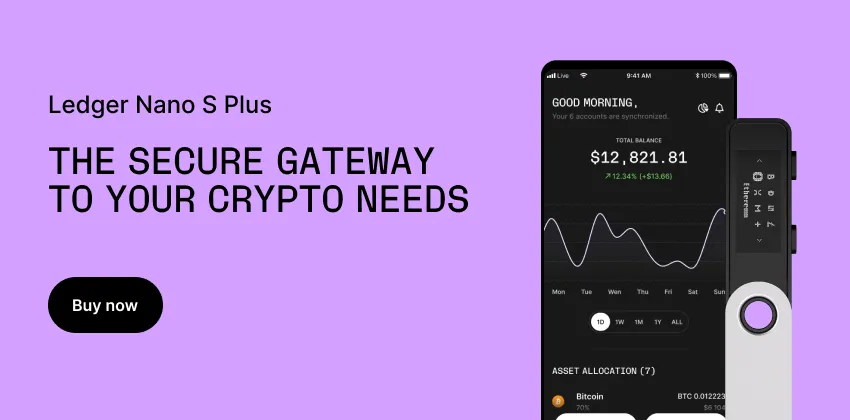
For most XRP holders, a Ledger hardware wallet (Nano X or Nano S Plus) is the easiest and safest upgrade from keeping funds on exchanges. In almost every list of the best XRP cold wallets, Ledger will appear near the top.
Why Ledger works so well for XRP
- Native XRP support through Ledger Live, so you can generate an XRP address, receive, and send XRP directly from the desktop or mobile app.
- Hardware security chip and PIN/passphrase protection to keep your private keys offline.
- Supports thousands of coins and tokens, so one device can protect XRP, BTC, ETH, stablecoins, and DeFi positions.
Best use‑cases
- Long‑term XRP investors who also hold BTC, ETH or other coins.
- Traders who run bots on exchanges but withdraw profits to a hardware wallet once a week or month.
- Anyone who wants a single device for all their cold storage, not just XRP.
In every “best XRP cold wallets” comparison, you can confidently rank Ledger as your #1 choice for a balanced mix of security, UX and coin support.
2. Ellipal Titan 2.0: best fully air‑gapped XRP cold wallet
Among the best XRP cold wallets, the Ellipal Titan 2.0 stands out because it is completely air‑gapped. This metal hardware wallet never connects via USB, Bluetooth or Wi‑Fi. All transactions are done by scanning QR codes between the wallet screen and the mobile app.
Why Ellipal is interesting for XRP users
- Designed as an air‑gapped cold wallet, ideal for people who want maximum separation from computers and phones.
- Supports XRP along with many other popular assets, so you can store an XRP bag plus other coins.
- Metal body and anti‑tamper design make it more resistant to physical damage.
Best use‑cases
- Users who specifically search for terms like “air gap cold wallet” or “ellipal titan 2.0 cold wallet”.
- Security‑focused XRP holders who want zero cables and trust only QR‑based signing.
You can position Ellipal Titan 2.0 as the best fully air‑gapped option in your best XRP cold wallets list, with Ledger still recommended as the best all‑rounder for most people.
3. Trezor: open‑source hardware wallet alternative
Trezor (Safe 5, Model T, or future models) is a hardware wallet with a strong reputation in the Bitcoin and open‑source community. Including Trezor in your best XRP cold wallets article makes your comparison more complete, even if you don’t promote it with an affiliate link yet.
Why Trezor belongs in an XRP cold wallet list
- Well‑known brand many readers already trust.
- Hardware devices support multiple assets and integrate with different software wallets.
- Emphasis on open‑source firmware and transparent security model.
You can highlight Trezor as a solid alternative while noting that Ledger currently offers one of the most polished ecosystems for XRP and multi‑coin users.
4. Tangem: card‑style wallet for “is Tangem a cold wallet?” searches
Tangem is a smart card wallet you tap with your phone to sign transactions. It’s a great way to capture search terms like “is Tangem a cold wallet” and “Tangem cold wallet review”, which are closely related to the best XRP cold wallets topic.
How to position Tangem
- Keys are generated and stored on the card, not on the phone, so it behaves more like a hardware wallet than a typical hot app.
- Simple card‑based experience that feels familiar to people used to bank cards.
- Works well for smaller, everyday holdings rather than large, long‑term stacks.
In your article, you can explain that Tangem is a non‑custodial card wallet that sits between classic hardware wallets and pure software wallets, and recommend Ledger or Ellipal Titan 2.0 for larger XRP balances.
5. Other important XRP wallets traders should know
Not every XRP wallet in your content needs to be a cold wallet. For traders and bot users, it’s smart to show a stack: hot wallet for flexibility, cold wallet for long‑term storage. This context helps your best XRP cold wallets article feel practical, not theoretical.
Xaman (XUMM): dedicated XRP hot wallet
Xaman (formerly XUMM) is a mobile wallet built for the XRP Ledger (XRPL). It is not a cold wallet, but it’s excellent for:
- Daily XRP payments and transfers.
- Using XRPL DEX, tokens, NFTs, and other on‑chain features.
- Signing transactions in a more secure way than leaving funds entirely on centralized exchanges.
You can suggest readers keep most XRP on Ledger or Ellipal Titan 2.0 and move smaller amounts to Xaman/XUMM when they want to interact with XRPL apps.
Trust Wallet & Exodus: multi‑coin wallets for beginners
Trust Wallet and Exodus are strong, user‑friendly options for people starting with self‑custody:
- Support XRP plus many other coins.
- Mobile and desktop apps with a simple interface.
- Built‑in swaps and buy options for convenience.
Make it clear they’re hot wallets, not cold wallets, but still a step up from leaving everything on an exchange if users manage their seed phrases correctly.
6. How to transfer XRP from an exchange to a cold wallet
Many people searching for the best XRP cold wallets also want to know exactly how to move their XRP off exchanges. Here is a simple process that works with any hardware wallet.
Step 1: Set up your XRP cold wallet
- Unbox your Ledger or Ellipal Titan 2.0.
- Initialize the device, create a new wallet, and write down the recovery phrase on paper.
- In Ledger Live or the Ellipal app, add your XRP account so you can see an address.
Step 2: Get your XRP receive address
- In the wallet app, copy your XRP receive address (starts with “r…”).
- Confirm on the device screen that the address matches what you see on your computer or phone.
Step 3: Withdraw from your exchange
- On Binance, Bybit, Coinbase, Kraken or another exchange, go to Withdraw → XRP.
- Paste the XRP address from your hardware wallet.
- If the exchange asks for a tag/memo, read the instructions carefully. For a personal wallet you often don’t need a tag, but always confirm.
- Send a small test transaction first.
- Once it arrives in your cold wallet, send the larger amount.
This step‑by‑step tutorial section supports long‑tail queries like “how to transfer crypto to cold wallet” and feeds perfectly into your trading‑bot and exchange guides.
7. How much XRP should be in cold storage vs on exchanges?
To make your best XRP cold wallets guide actionable, help readers decide how to split funds:
- Cold storage (Ledger, Ellipal, Trezor)
- Long‑term holdings, “never sell” bag, and profits you don’t plan to trade soon.
- Hot wallets (Xaman, Trust Wallet, Exodus)
- Smaller amounts for payments, XRPL DEX, DeFi, and experiments.
- Exchanges and trading bots
- Only what you actively trade. Withdraw profits regularly back to your Ledger or Ellipal Titan 2.0 so a single platform failure can’t wipe you out.
This “three‑bucket” structure also makes internal linking very natural: from this wallet pillar back to your Binance trading bot and “best crypto trading bots” content.
FAQs about XRP cold wallets
What is the best cold wallet for XRP?
For most people, a Ledger hardware wallet is the best balance between security, coin support and ease of use. If you want a fully air‑gapped device, the Ellipal Titan 2.0 is an excellent alternative, and both deserve a place in any list of the best XRP cold wallets.
Is a hardware wallet really safer than an exchange?
Yes. With a hardware wallet, you hold the private keys yourself and they stay offline. Exchanges are convenient but can be hacked, go bankrupt, or freeze withdrawals at any time, which is exactly why so many traders research the best XRP cold wallets after a big market event.
Is Tangem a cold wallet?
Tangem is a card‑based wallet where keys live on the card, not the phone, so it behaves more like a hardware wallet than a hot app. However, you still use your phone to interact with it, so it sits between classic hardware devices and pure software wallets.
Can I still use trading bots if my XRP is in a cold wallet?
Trading bots need funds on an exchange to open and close positions. The best practice is to keep a trading balance on your preferred exchange, run your bots there, and regularly send profits back to a cold wallet for long‑term storage using one of the best XRP cold wallets listed above.
Beginner-Friendly Bot Guides and Reviews
Once your XRP is safely stored in one of the best XRP cold wallets, the next step is learning how to trade more safely without exposing your entire portfolio. If you are just starting out, these beginner-friendly guides and reviews will help you understand exchange automation, simple bot strategies, and the best platforms to test first.
- Read my guide to the best Binance trading bot for beginners if you want the easiest way to start with exchange automation.
- Check my full list of the best crypto trading bots if you want to compare multiple platforms before choosing one.
- Read my Bitsgap review if you want beginner-friendly grid and DCA trading tools.