
Tokenization is one of the most significant financial shifts of our generation — and tokenization news in 2026 has made that clearer than ever.
Tokenization news has been impossible to ignore in 2026. Every week, another bank, regulator, or tech giant announces a new tokenization pilot, fund, or approval. But behind all the headlines is a simple idea: the world’s biggest assets — real estate, stocks, bonds, government treasuries — are moving onto blockchain, and the financial system will never look the same.
Whether you are a crypto investor, a real estate buyer, or someone who just heard the word “tokenization” for the first time, this guide breaks down exactly what is happening, why it matters, and where it is all heading.
The Numbers Don’t Lie
Let’s start with the facts, because the data tells a story that no press release can:
📊Tokenized RWA Market Growth 2022–2026
The tokenized real-world asset market hit $27.65 billion in April 2026, growing 4% even as broader crypto markets pulled back. That kind of resilience is what institutional money looks like — steady, slow, and massive.
And this is still early. Real estate tokenization alone has grown 308% in three years and is projected to reach $4 trillion by 2035. That is not a typo.
What Is Tokenization, Really?
Asset tokenization is simpler than most headlines make it sound — here is the honest, plain-English version, no jargon, no fluff.
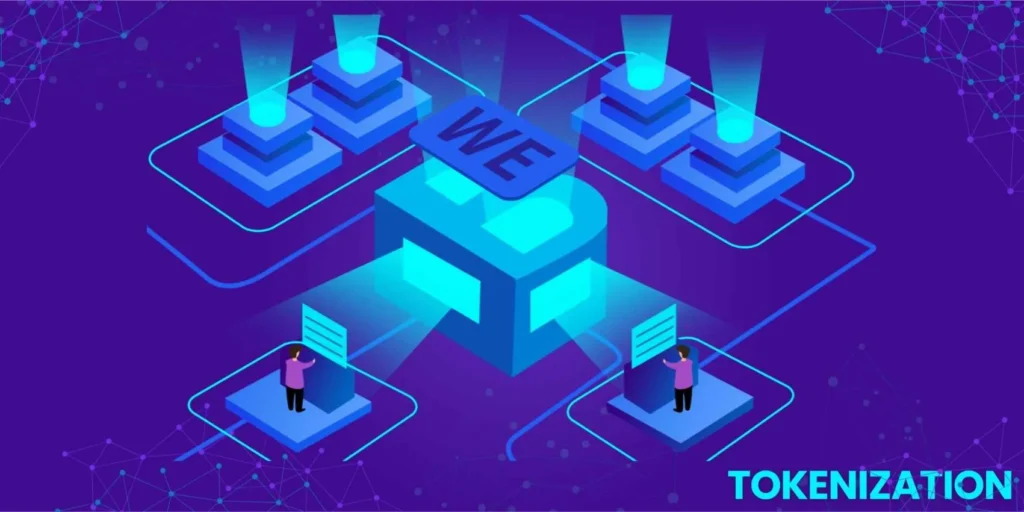
Imagine you own a building worth $1,000,000. Normally, to sell a piece of that building, you need lawyers, notaries, banks, and months of paperwork. Tokenization replaces all of that with a smart contract on a blockchain. The building gets divided into, say, 1,000,000 tokens. Each token = $1 of ownership. You can sell 10,000 tokens to someone in Morocco, 50,000 to someone in Japan, and keep the rest — all within minutes, no bank required.
That is tokenization. Not complicated. Just a better way to represent ownership.
This process — called real-world asset tokenization — is already live for stocks, bonds, government treasuries, art, and even carbon credits. If it has value and can be owned, it can be tokenized.
The Biggest Tokenization News of 2026
🏛️ DTCC Gets SEC Green Light
This is the one that changed everything. In December 2025, the SEC granted a No-Action letter to the DTCC — the organization that clears and settles virtually every US stock trade — allowing it to launch a tokenization service.
The pilot, launching in late 2026, will tokenize:
- Stocks from the Russell 1000
- US Treasury bonds
- S&P 500 and Nasdaq 100 ETF shares
When the world’s largest clearinghouse starts tokenizing assets, it is not a trend anymore. It is infrastructure.
🖤 BlackRock’s BUIDL Fund Crosses $100M in Payouts
BlackRock — the world’s largest asset manager with $10 trillion under management — has been quietly building the future of finance. Its tokenized US Treasury fund, BUIDL, has now paid out $100 million in on-chain distributions to investors. In February 2026, BlackRock went even further by making BUIDL tradeable directly on Uniswap — a decentralized exchange.
Think about that for a second. The most traditional institution in finance is now using DeFi infrastructure. That is not a headline. That is a signal.
💰 Tokenized Funds Hit $30 Billion
JP Morgan and BlackRock together drove tokenized funds past the $30 billion mark in April 2026. Ethereum remains the dominant blockchain for these assets, holding 61% of all tokenized value on-chain.
📊 Which Blockchains Host the Most Tokenized Assets (2026)
🏠 Real Estate Tokenization Goes Global
Real estate is the most searched vertical in tokenization news, and for good reason. These are the regions leading the way:
| Region | Key Development |
|---|---|
| Dubai / ADGM | Structured regulatory framework for tokenized properties |
| Brazil | $40M+ in tokenized real estate on-chain |
| Hong Kong | Government-backed tokenization pilot with major banks |
| USA | DTCC pilot includes REITs and property-linked securities |
| Europe | Clearstream launched an EU-compliant tokenization platform |
Investors in these markets can now buy fractional ownership in commercial or residential properties starting from $50, with returns paid directly to their crypto wallets.
Why Does This Matter to Crypto Traders?
Here is where it gets really interesting — and where most tokenization news articles stop short.
Tokenized assets trade 24 hours a day, 7 days a week. Unlike the NYSE which closes at 4pm, or real estate which takes 60 days to settle — tokenized stocks, bonds, and properties never sleep. Morgan Stanley is already building an alternative trading venue for tokenized stocks that operates around the clock.
📊Settlement Speed: Traditional vs Tokenized Assets
This creates a massive opportunity — and a massive problem. If markets never close, how do you keep up?
You don’t. Your bot does.
Crypto Trading Bots & Tokenized Assets: The Perfect Match
As tokenized markets expand to 24/7 trading, automated crypto trading bots are becoming essential tools for investors who want to capitalize without staring at charts all night.
Here is why bots are built for tokenized asset trading:
- No closing bell — bots execute trades at 3am when price dips happen
- Programmable rules — set stop-losses, take-profits, and rebalancing triggers automatically
- Speed — bots react in milliseconds, humans in seconds (too slow for on-chain markets)
- Emotionless — no panic selling, no FOMO buying
Platforms like Pionex, 3Commas, and Bitsgap already support tokenized stock and ETF products on exchanges like Binance and KuCoin. AI-powered bots are even being built to dynamically adjust positions based on on-chain tokenization events like new fund issuances or DTCC settlement data.
👉 Read our full comparison of the best crypto trading bots in 2026 →
If you are serious about tokenized markets, manual trading is already becoming the slower option. The institutions are using automation. So should you.
Is Tokenization Safe? Risks to Know
These are the most trusted platforms for buying tokenized real estate, stocks, and bonds in 2026.
Honest answer: it depends on the platform.
Regulated tokenization (like DTCC, BlackRock BUIDL, Clearstream) is as safe as traditional finance — backed by legal structures, SEC oversight, and audited smart contracts.
Unregulated tokenization — random DeFi projects issuing “tokenized” assets with no legal backing — carries significant risk including rug pulls, smart contract exploits, and zero legal recourse.
The IMF issued a warning in April 2026 about systemic risks from rapid tokenization, specifically citing liquidity mismatches and fragmented regulatory frameworks across countries.
Key risks to watch:
- Smart contract bugs (code is law — bugs are permanent)
- Regulatory uncertainty in emerging markets
- Liquidity risk on smaller tokenized asset platforms
- Counterparty risk if the SPV (legal wrapper) fails
Where to Buy Tokenized Assets in 2026
If you want to actually invest, here are the most trusted platforms:
- Securitize — Institutional-grade platform, home of BlackRock BUIDL. Best for accredited investors
- RealT — US real estate tokenization, from $50 per token, pays weekly rent in stablecoins
- Binance — Tokenized stocks, ETFs, and RWA products for global retail investors
- Lofty.ai — Algorand-based real estate tokenization with daily rental income
- Mantra Chain — RWA-focused blockchain built specifically for regulated tokenized assets⚠️ Always verify platform regulation before investing. Tokenized assets are not protected by FDIC or SIPC insurance.
FAQ — Tokenization News
What is tokenization news about in 2026?
Tokenization news in 2026 covers the rapid expansion of blockchain-based ownership systems for real-world assets including real estate, government bonds, stocks, and funds. Key stories include the DTCC SEC approval, BlackRock BUIDL milestones, and the RWA market exceeding $27.6 billion.
What does it mean to tokenize real estate?
Tokenizing real estate means converting a property’s ownership rights into digital tokens on a blockchain, allowing fractional ownership, instant settlement, and 24/7 global trading — without traditional intermediaries like banks or notaries.
Is BlackRock’s tokenized fund available to retail investors?
Currently, BlackRock BUIDL is primarily available to institutional and accredited investors via Securitize. Retail access may expand as regulatory frameworks mature throughout 2026.
When will DTCC launch its tokenization service?
The DTCC tokenization pilot is scheduled for the second half of 2026, following SEC No-Action letter approval in December 2025. It will initially cover Russell 1000 stocks, US Treasuries, and major ETF shares.
Can crypto trading bots trade tokenized assets?
Yes. Crypto trading bots from platforms like Pionex, 3Commas, and Bitsgap already support tokenized products on major exchanges. As tokenized markets are open 24/7, bots are especially well-suited to automate trading in these assets. 👉 Compare the best crypto trading bots →
What is the difference between tokenization and cryptocurrency?
Cryptocurrency (like Bitcoin) is a native digital asset with no real-world backing. Tokenized assets are digital representations of real assets — a tokenized Treasury bond is still backed by the US government, just recorded on a blockchain.
Why is tokenization growing so fast in 2026?
Three forces are driving growth: institutional adoption (BlackRock, JP Morgan, DTCC), regulatory clarity (SEC approvals, EU’s DLT Pilot Regime, ADGM frameworks), and technology maturity (Ethereum’s settlement layer, faster Layer 2 networks).
What are the risks of tokenized real estate?
The main risks of tokenized real estate include smart contract vulnerabilities, thin secondary market liquidity, regulatory uncertainty in emerging markets, and custody risk if the legal wrapper (SPV) fails. Platforms like Securitize and RealT reduce these risks through audited contracts and SEC oversight — but unregulated tokenization projects carry full exposure. Always verify whether a platform is operating under a legal securities framework before investing in any tokenized asset.